Leading rigid boxes machine Manufacturer

Is the Print Industry Undergoing a Major Restructuring, Forcing Big Decisions?
Time: 2025-06-23 11:00:21
Author: Kylin machine company
Click:
Feeling the pressure of industry shifts? Big names are making tough calls. It's
Feeling the pressure of industry shifts? Big names are making tough calls. It's vital to understand these moves to safeguard your own business.
Yes, major players like Walstead are restructuring by closing sites like Bicester. They aim to consolidate operations and combat under-utilisation, difficult trading, and high energy costs. This signals ongoing changes in print.
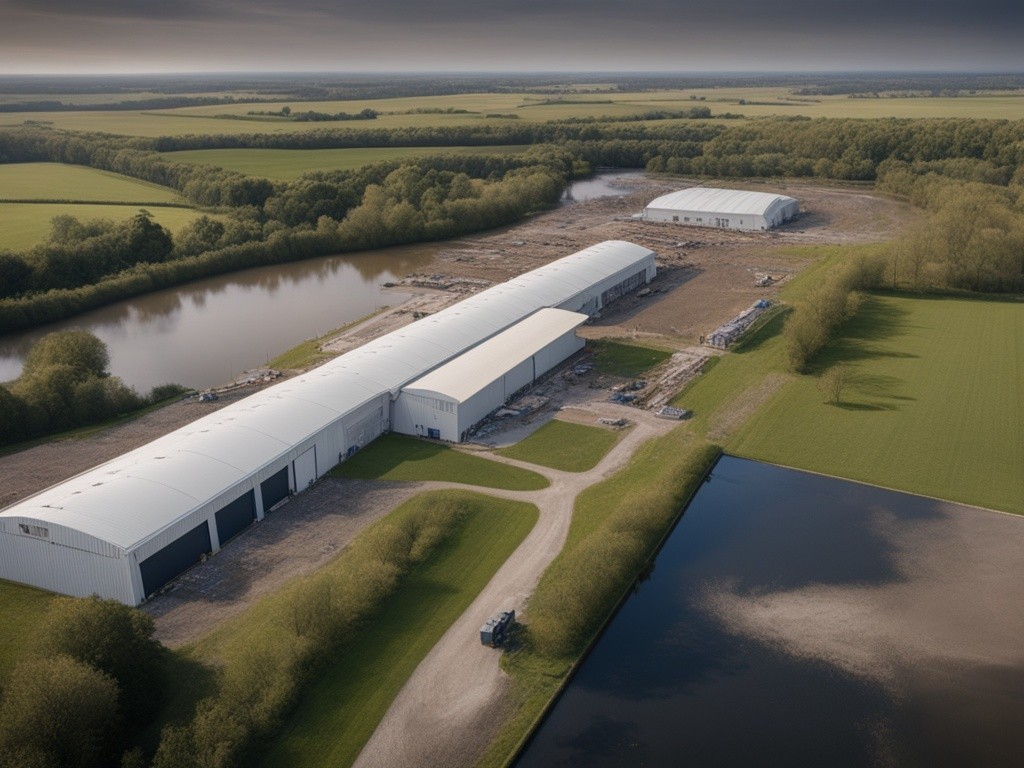
News like Walstead's decision to close its Bicester facility and move a key press really makes you think. It is not just about one company. It shows a bigger picture of what is happening in the print world. Many of us in the packaging and printing business watch these developments closely. We wonder what it means for our own operations and the market overall. Let us look deeper into why these things happen.
What's Really Driving These Big Plant Closure Decisions?
Seeing a major plant close makes you ask: why now? Several harsh realities are pushing companies. Understanding these pressures is key for everyone in print.
The main drivers are severe under-use of equipment, tough market conditions, and soaring energy prices. Companies must adapt to survive, leading to consolidation and closures.
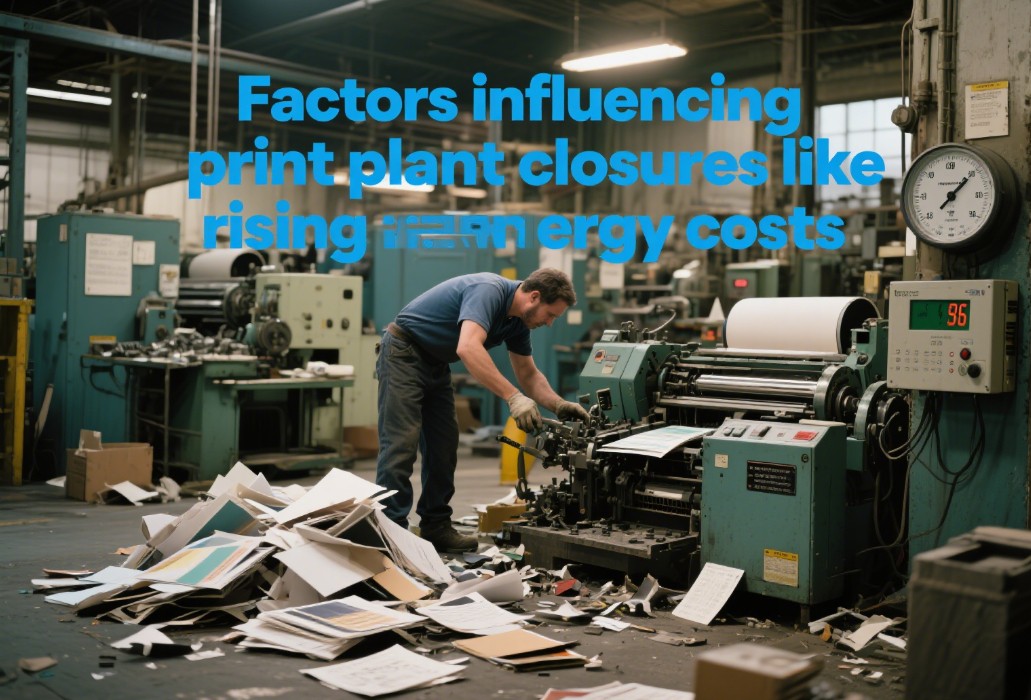
When a company like Walstead decides to shut down an entire facility like Bicester, it is never a light decision. I have seen businesses face tough choices, though perhaps not on this scale. Several powerful forces are usually at play.
Key Factors Forcing Consolidation
First, there is market demand. If the demand for certain types of print, like high-volume web offset in this case, shrinks or shifts, then existing capacity becomes too much. This leads to presses sitting idle, which is very costly. I know from our work at Kylin Machine that matching machine capacity to actual orders is crucial for profit. We always tell our clients that efficient use of their post-press machines directly impacts their bottom line.
Second, operational costs are a huge factor. The article specifically mentions 'unprecedented energy costs.' Printing, especially large-scale web offset, uses a lot of power. When energy prices shoot up, it can make a plant unprofitable very quickly. We always advise our customers at Kylin Machine to consider the total cost of ownership. This includes energy when they invest in new post-press equipment like our rigid box making lines.
The Problem of Overcapacity
Finally, there is the issue of industry overcapacity. Sometimes, there are simply too many machines and too much potential output for the available work. This drives prices down. It makes it hard for everyone to make a good margin. Consolidation, while painful, is often the market's way of correcting this imbalance. It is about creating a more sustainable business model for the remaining operations, as Walstead aims to do. I remember a discussion with a long-time industry contact who said that periods of consolidation often pave the way for stronger, healthier businesses to emerge later.
It is a tough environment. These decisions reflect that reality.
How Might Such Closures Impact Your Business and the Supply Chain?
A big closure is not just news; it sends ripples. It can affect your material supply, lead times, and even pricing. Are you prepared for this?
Such closures can reduce overall print capacity, potentially affecting prices and lead times. For some, it might mean new opportunities if competitors falter or new niches open up.

When a facility like Walstead Bicester closes, it does not happen in a vacuum. It directly impacts the people working there, which is always the hardest part. Beyond that, there are wider effects on the supply chain and other businesses. This includes potentially yours.
Immediate Supply Chain Adjustments
One clear impact is on print capacity. With Bicester's presses (two being decommissioned) out, the total UK web offset capacity reduces. For print buyers, this might mean fewer choices. It could also mean potentially longer lead times from the remaining players, especially if demand stays constant or shifts to them. I have seen situations where a supplier shutting down caused headaches for their customers. They had to scramble to find alternatives quickly. This is why having reliable partners, like we strive to be at Kylin Machine for post-press solutions, is so important.
Potential Price and Service Fluctuations
There is also the question of pricing. Reduced capacity could, in theory, lead to price increases if demand outstrips the new, lower supply. Or, it could stabilize prices if the market was previously suffering from aggressive price competition due to overcapacity. It is a complex dynamic. Service levels from the consolidated operations, like Walstead Peterborough, might improve as they focus resources. Or, they could be strained initially as they absorb more work.
Opportunities for Agile Businesses
On the other hand, such changes can create opportunities. If you are a smaller, more agile printing or packaging company, a large competitor restructuring might open up niches they are moving away from. Or, if you offer specialized services, like the rigid box solutions we provide at Kylin Machine with our advanced Robotic Spotters and Hybrid machines, you might find customers looking for more focused partners. It reminds me of how some of our clients found success by specializing when larger, general printers struggled. Being flexible and spotting these gaps is key. We have seen our customers in the Graphic Arts and Paper Converting industries succeed by being nimble.
What Strategies Can Print Businesses Adopt to Navigate These Changes?
The print landscape is shifting. Old ways will not work. What proactive steps can your business take now to not just survive, but thrive?
Focus on efficiency, explore niche markets, and invest in modern technology. Automation and specialized solutions, like those from Kylin Machine, can provide a strong competitive edge.
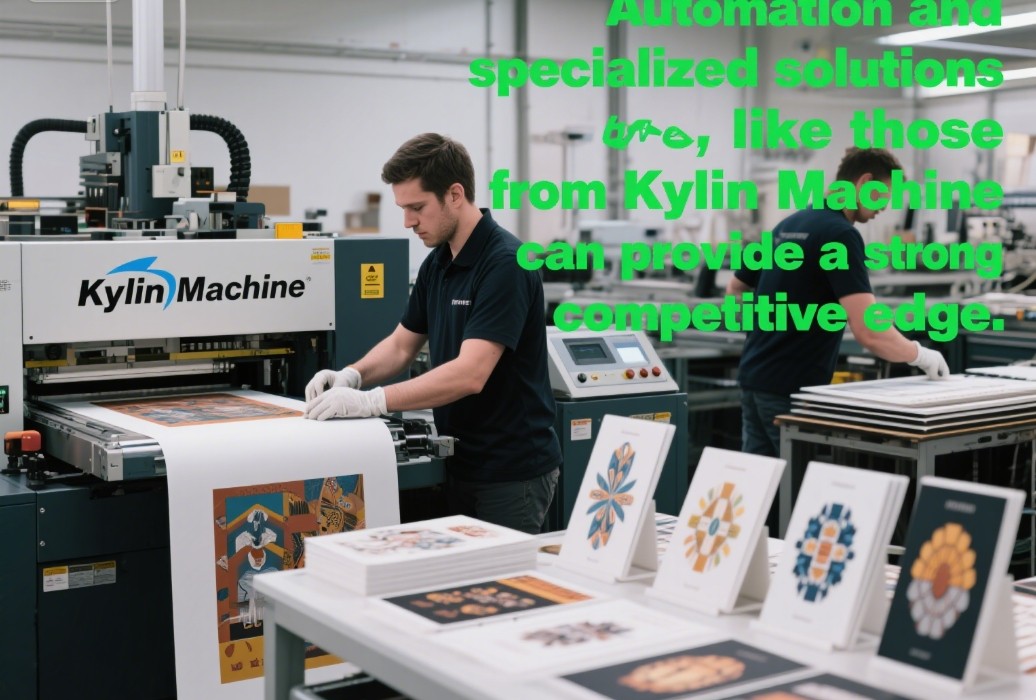
Seeing major players like Walstead make such significant moves by consolidating web offset operations makes everyone in the industry think. It is a clear signal that standing still is not an option. So, what can businesses, especially those in graphic arts, paper converting, and bookbindery, do to stay strong? From my experience at Kylin Machine, working with diverse clients in over 20 countries, a few key strategies always come up.
Enhance Operational Efficiency
First, efficiency is paramount. Walstead mentioned under-utilisation and high energy costs. This means every business needs to look hard at its own operations.
- Are your machines running optimally?
- Can you reduce waste?
- Can automation help streamline processes? This is where advanced post-press machinery, like our Robotic Spotters for rigid boxes or our efficient book cover solutions, can make a huge difference. They improve speed, reduce labor costs, and maintain high quality. I recall a client in Turkey who significantly boosted their output and cut down errors after implementing one of our automated rigid box lines. Their ability to produce high-quality boxes more efficiently opened up new markets for them.
Specialize and Find Your Niche
Second, specialization can be a lifesaver. Instead of trying to be everything to everyone, focusing on a specific market or product type can build a strong reputation and customer loyalty. Whether it is high-end rigid boxes, unique collapsible box designs, or specialized book cover packing craft, being the go-to expert in one area is often more profitable than being a generalist in a crowded field. Many of our Kylin Machine customers thrive by excelling in these specific areas, using our machines to produce top-quality specialized products.
Invest in Technology and People
Third, invest smartly in technology and skills. This does not always mean the biggest, newest machine, but the right technology for your strategy. It also means ensuring your team is trained to use it effectively. Walstead is moving a modern 64pp press, showing they believe in the value of efficient, high-capacity technology where it makes sense. For others, it might be investing in digital capabilities or, as I mentioned, automation for finishing processes. At Kylin Machine, our R&D team works hard to develop high-technology solutions that give our customers a real advantage.
Here is a quick table:
| Strategy | Action | Potential Benefit |
|---|---|---|
| Boost Efficiency | Automate, reduce waste, optimize workflow with modern machines | Lower operational costs, higher throughput, better quality |
| Specialize | Focus on niche markets, unique products like rigid or collapsible boxes | Stronger brand identity, potentially better profit margins |
| Smart Investment | Adopt relevant technology (e.g., robotic spotters), train staff well | Enhanced competitive edge, future-readiness, innovation |
These are not just abstract ideas. They are practical steps I have seen work for businesses facing a changing market. As a B2B wholesale supplier of post-press machines, we at Kylin Machine are committed to helping our clients achieve these goals.
Is This the End for Large-Scale Web Offset Printing?
Walstead consolidating web offset makes you wonder. Is this technology fading fast? Or is it simply evolving to meet new market demands effectively?
No, it is not the end, but a strategic adjustment. High-volume web offset still has its place for certain jobs. Consolidation aims to make it more sustainable by matching capacity to current demand.
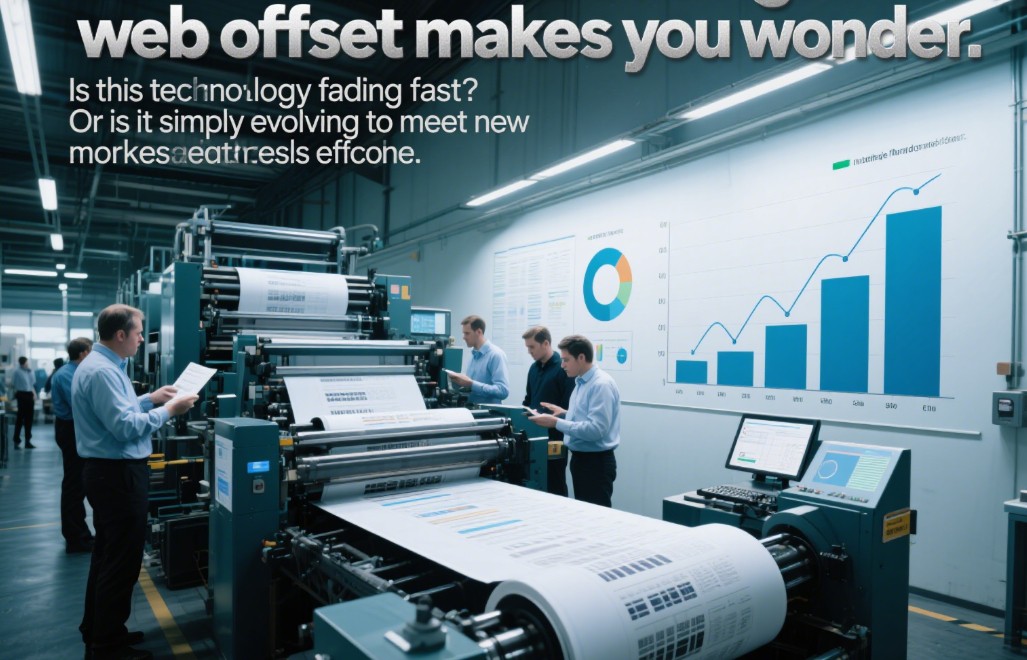
When we see a major web offset site like Walstead Bicester closing and its operations being consolidated, it is natural to ask about the future of this printing method. Is web offset on its way out? From what I see in the broader industry and discussing with colleagues and customers, I do not think it is the end. I believe it is definitely changing.
Consolidation, Not Disappearance
What Walstead is doing – moving its best 64pp press to Peterborough and making that their sole UK web offset hub – points to strategic consolidation. It is not complete abandonment. They are 'right-sizing' their capacity. This means there is still a recognized need for efficient, high-volume web offset for specific types of print work. This includes magazines, catalogues, and direct mail, where it remains cost-effective. The key is to have the right amount of this capacity. Too much capacity, and sites become under-utilised, as Bicester apparently was. This leads to financial strain.
The Role of Modern, Efficient Presses
The fact that Walstead is moving a relatively modern Manroland Lithoman 64pp press shows they are investing in the most efficient technology within that segment. Older, less efficient presses, like the 16pp and 32pp ones being decommissioned, are the ones that become unviable first. This is especially true with high energy costs. At Kylin Machine, we see a similar trend in post-press. Our customers want the most efficient, automated solutions to stay competitive. This is true whether they are producing rigid boxes or book covers. Investing in up-to-date technology is crucial. I once visited a factory that was struggling with old equipment; the difference after they upgraded to a more modern, automated line from us was night and day in terms of productivity and morale.
Adapting to a Changing Media Landscape
The overall demand for some traditional web offset products has declined due to digital media. However, print still holds strong value in many areas. The industry is adapting. This might mean:
- Shorter runs becoming more common. This sometimes shifts work to other technologies.
- A focus on higher quality or specialized finishes to add value.
- Integrating print with digital campaigns.
So, web offset is not disappearing. But the players who succeed will be those with efficient operations, modern equipment, and a clear strategy for their target market. It is about being lean, focused, and adaptable.
Conclusion
Walstead's Bicester decision shows big industry shifts. Adapting through efficiency, smart tech, and strategy is key for all print businesses to thrive in these changing times.

点击右上角
分享给朋友吧







 Long by picture save/share
0
More News
-

How do post-pres...
Are your orders piling up? Slow packing ruins your good name. Customers leave yo
MORE -
Is Epson’s New A...
Struggling with limited space but need to expand your printing capabilities? Eps
MORE -
Is Xerox’s Lates...
Struggling to keep up with printing demands? You’re not alone. Many businesses f
MORE -
How Can a Bookle...
Are you struggling with production bottlenecks? Tired of slow turnaround times h
MORE -
Is Your Print Bu...
Your stitching line is slow, causing bottlenecks and missed deadlines. This inef
MORE -
Is Canon’s New P...
Struggling to meet the strict standards for traffic signs? It’s a tough market w
MORE