Leading rigid boxes machine Manufacturer

How Can You Stop Digital Print Cracking on Your Folding Machine?
Time: 2025-06-27 10:49:13
Author: Kylin machine company
Click:
Tired of cracked folds ruining your prints? This common problem wastes material
Tired of cracked folds ruining your prints? This common problem wastes material and disappoints clients. A new type of creasing device offers a surprisingly simple and effective solution.
Yes, you can stop digital print cracking on a folding machine. The solution is to replace the standard scoring wheel with an advanced rotary creasing tool. This tool uses a male and female part to create a soft channel, allowing paper to fold without breaking the fibers or toner.

This technology might sound complex, but the idea behind it is very straightforward. I’ve been in the post-press machinery business since 2003, and I’ve seen this exact problem cause major headaches for good printing companies. It's frustrating to produce a beautiful print job only to have it damaged in the final folding stage. This solution is a big deal for anyone in the paper converting or graphic arts industry. Let's look closer at how it works and why it’s so important for your business.
What Makes a Rotary Creaser Different From a Standard Scorer?
Your folder’s standard scoring wheel keeps cracking heavy or cross-grained stock. This forces you to use slower methods, hurting your efficiency. Understanding the tool's mechanics is the first step to a solution.
A standard scorer cuts a sharp line into the paper, breaking the fibers. A rotary creaser is different. It uses a matched pair of wheels, a male and female part, to gently mold a U-shaped channel. This compresses fibers instead of breaking them.
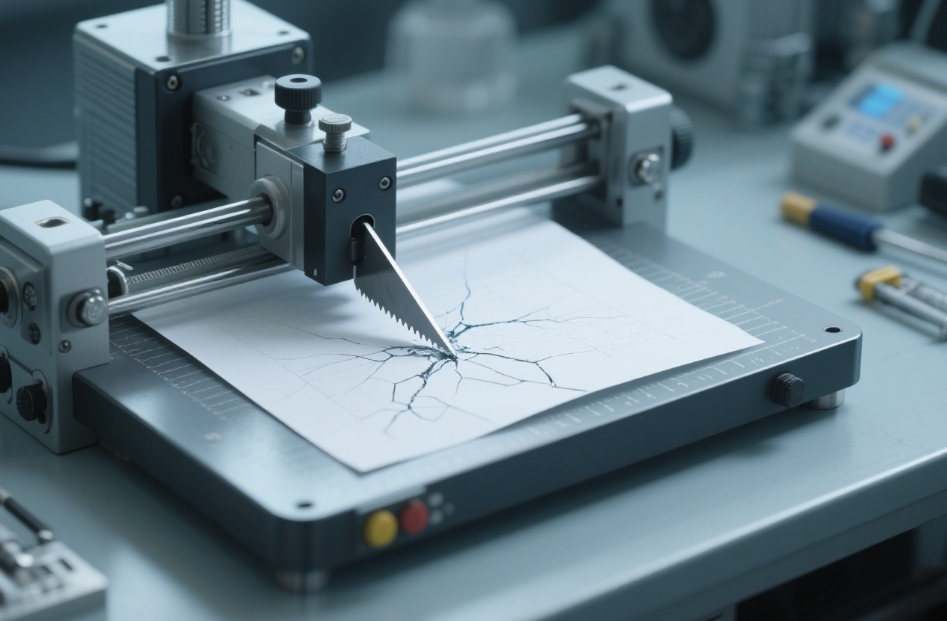
When I visit printing and packaging plants, I often see operators struggling with this. The difference between scoring and creasing is at the heart of the problem. A machine can be running perfectly, but if the finishing tool is wrong, the final product will be flawed. This is a topic I talk about a lot with our customers who buy our Kylin Machine box-making equipment. The principle is the same: the tool must respect the material.
The Action of a Standard Scorer
A standard scoring wheel on a folding machine is a simple tool. It's usually a single, thin steel wheel. It presses down hard on the paper as it passes through. The goal is to create a line of weakness to guide the fold. But this method has a big drawback. It acts like a knife, cutting and crushing the paper fibers in a very narrow line. For thin paper folded along the grain, this can sometimes be okay. But for thicker materials, or when you fold against the paper grain, this harsh action easily breaks the fibers. On digitally printed stock, it also cracks the stiff layer of toner, leading to that ugly, unprofessional finish we all want to avoid.
The Mechanics of a Rotary Creaser
A rotary creaser works in a much smarter way. Instead of a single, sharp wheel, it uses a system with two parts. There is a male wheel with a rounded profile and a female wheel with a channel for the male wheel to fit into. The paper passes between them. The male wheel gently pushes the paper into the female channel. This action doesn't cut the fibers. Instead, it compresses them and creates a soft, flexible, U-shaped channel. This is true creasing, just like you would get on a much slower cylinder press. The fibers are simply rearranged, not broken, so they can handle the stress of folding without cracking. This method protects the integrity of the paper and the printed surface.
| Feature | Standard Scorer | Rotary Creaser |
|---|---|---|
| Action | Cuts and ploughs a sharp line | Molds and compresses a soft channel |
| Components | Single sharp wheel | Male and female wheel system |
| Result on Fibers | Breaks and damages paper fibers | Stretches and compresses fibers |
| Best For | Thin paper, folding with the grain | All stocks, especially digital & heavy |
| Key Weakness | Causes cracking on most stocks | Requires matching to stock thickness |
How Does Customization Improve Creasing Quality?
Do you use the same scoring tool for every paper weight? This one-size-fits-all approach is a big reason for poor quality. Customizing your crease is the key to getting professional results.
Customization allows you to perfectly match the creasing tool to the paper's thickness and type. Using different creasing rib sizes ensures the channel is not too deep for thin paper or too shallow for heavy stock, preventing cracking and ensuring a perfect fold.
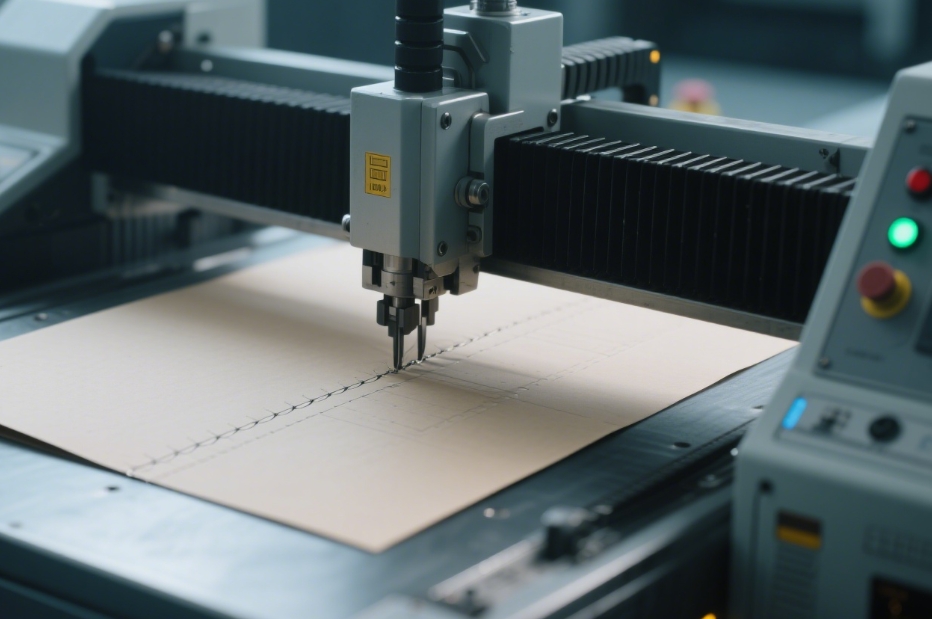
At Kylin Machine, we build our equipment with this principle in mind. Whether it's a rigid box maker or a book cover machine, the setup must be adjusted for the specific cardboard and paper being used. I remember a client in Italy who made luxury packaging. They understood that you couldn't use the same settings for a 150 gsm paper wrap as you would for a 300 gsm box. The same logic applies directly to folding. Precision and adaptability are not just nice features; they are essential for high-quality production.
The Problem with a Single Crease Setting
Using a single, fixed scoring or creasing setting for all jobs is inefficient. Think about what happens. If you use a setting designed for heavy paper on a thin sheet, the crease will be too aggressive. It will stretch the paper too much and can still cause damage or make the fold look clumsy. On the other hand, if you use a setting for thin paper on a thick, heavy cardstock, the crease will be too shallow. It won't create a deep enough channel to relieve the stress of folding. When the stock is folded, the outer surface will stretch and break. This is where fiber cracking happens. This problem gets even worse with digital prints, where the toner is a brittle layer on the surface, or when folding against the natural grain of the paper.
Matching the Tool to the Job
The best creasing systems, like the Tri-Creaser Advance, solve this problem with interchangeable parts. They come with several creasing ribs, each a different depth or profile. For example, you might have a shallow rib for paper up to 150 gsm, a medium one for stocks up to 250 gsm, and a deep one for anything heavier. This allows the machine operator to quickly and easily select the perfect tool for the job. It turns creasing from a guessing game into a precise science. This simple customization means you can confidently handle any stock on your folding machine, delivering consistently perfect, crack-free results.
| Paper Weight (GSM) | Grain Direction | Recommended Rib | Expected Result |
|---|---|---|---|
| 90-150 gsm | With or Against | Shallow | Clean, sharp fold, no marking |
| 160-250 gsm | With or Against | Medium | Strong, flexible fold, no cracking |
| 260-400 gsm | With or Against | Deep | Deep channel, prevents all cracking |
| Digital Print | Against | Medium/Deep | Protects toner layer, clean fold |
What Is the Real Business Impact of Better Folding?
You might see cracked folds as a small production issue. But those little flaws add up to big costs in reprints, delays, and unhappy clients. Investing in better folding directly helps your business.
The business impact is huge. Better folding increases profit by eliminating waste from reprints and reducing labor costs. It boosts your capabilities, letting you handle more complex jobs in-house, and it improves your reputation by delivering a consistently high-quality product.
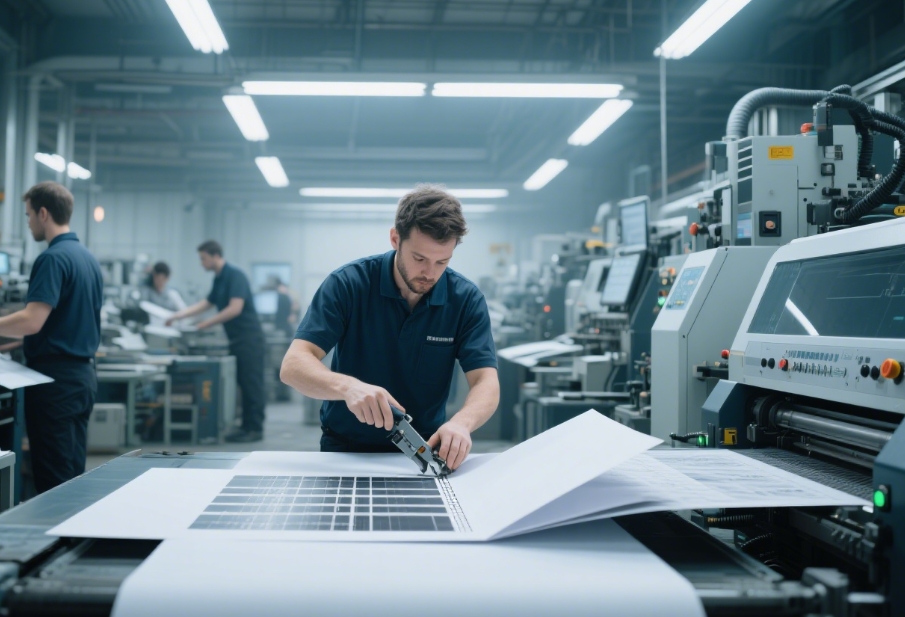
This is the most important part for my customers. As a B2B supplier, I know that your success is my success. The machines we sell at Kylin Machine are investments designed to make your operation more profitable. A small upgrade on a folding machine might seem minor, but if it solves a daily problem, the return on that investment can be very fast. It's not just about making a better fold; it's about building a better, more resilient business that your clients can trust.
Reducing Waste and Rework
Think about the true cost of a single rejected job. It's not just the paper and the ink or toner. It's the machine time you wasted, the labor cost for the operator, and the time spent sorting out the bad copies. If you have to reprint the job, you pay all those costs a second time. This directly eats into your profit margin. By eliminating fiber cracking with a proper creasing system, you get the job right the first time. This drastically reduces material waste and rework costs. Your production becomes more predictable and profitable. Over a year, this saving alone can easily pay for the new tooling.
Increasing Capabilities and Speed
What do you currently do with difficult folding jobs? Many shops with standard folders have to run jobs with heavy, coated, or digital stocks on a much slower machine, like an old cylinder press with a creasing die. Or worse, they turn the job down or outsource it to a competitor. A high-quality rotary creaser on your existing folding machine changes that. It gives you the capability to handle these premium, high-margin jobs in-house. And you can run them at the full speed of your folder, which might be thousands of sheets per hour. This increases your factory's output and lets you take on more profitable work.
Enhancing Brand and Customer Loyalty
In the printing and packaging world, quality is your brand. A clean, perfect fold sends a message of professionalism and care. A cracked, messy fold makes your work look cheap, no matter how good the printing is. When you deliver a flawless product every time, your customers notice. They trust you with their most important projects. This builds strong, long-term relationships, which are the foundation of any successful B2B company. In a competitive market, this reputation for quality can be your biggest advantage, leading to more repeat business and better client retention.
Conclusion
In short, upgrading your folder's scoring tool prevents cracking. It improves quality, reduces waste, and makes your business more profitable and competitive for years to come.

点击右上角
分享给朋友吧







 Long by picture save/share
0
More News
-

How do post-pres...
Are your orders piling up? Slow packing ruins your good name. Customers leave yo
MORE -
Is Epson’s New A...
Struggling with limited space but need to expand your printing capabilities? Eps
MORE -
Is Xerox’s Lates...
Struggling to keep up with printing demands? You’re not alone. Many businesses f
MORE -
How Can a Bookle...
Are you struggling with production bottlenecks? Tired of slow turnaround times h
MORE -
Is Your Print Bu...
Your stitching line is slow, causing bottlenecks and missed deadlines. This inef
MORE -
Is Canon’s New P...
Struggling to meet the strict standards for traffic signs? It’s a tough market w
MORE