Leading rigid boxes machine Manufacturer

A Major Paper Supplier Is Restructuring, Should Your Packaging Business Be Worried?
Time: 2025-12-04 10:34:37
Author: Kylin machine company
Click:
Your paper supply chain feels uncertain, and news of major suppliers restructuri
Your paper supply chain feels uncertain, and news of major suppliers restructuring creates anxiety. This instability threatens your production, but what if you could turn this challenge into a strength?
The restructuring of a major player like Feldmuehle signals a shift in the paper industry. For your business, this is a critical moment to focus on operational efficiency and material flexibility to not just survive, but to gain a competitive edge.
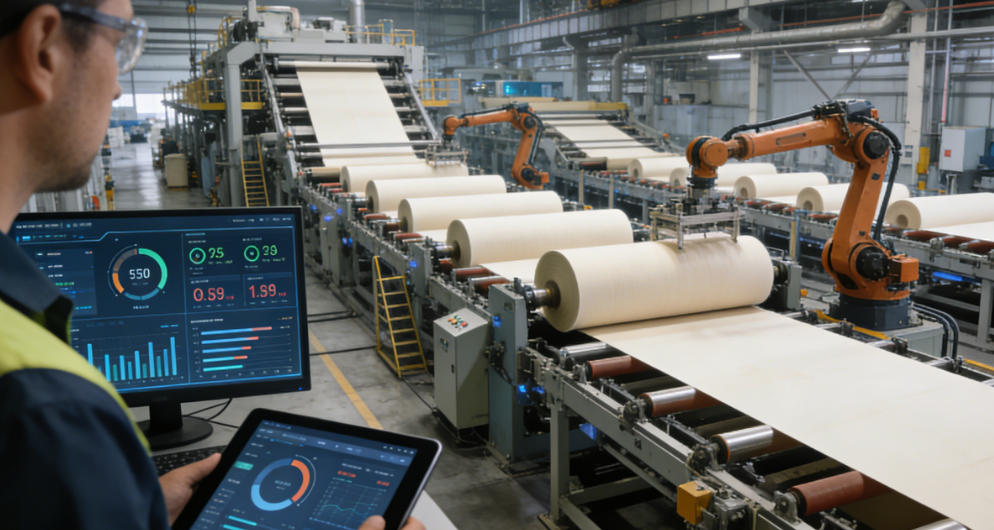
This news is a wake-up call for everyone in the printing and packaging sector. It highlights the real-world vulnerabilities we face when relying on external suppliers. Instead of waiting for the next market shock, now is the time to look inward at the technology that powers your operations. Let’s explore how upgrading your machinery can build a more resilient and profitable business.
How Can Automation Secure Your Production Line?
Relying on manual labor for complex box-making is slow and often leads to costly mistakes. This inefficiency is magnified when valuable materials are wasted, directly impacting your bottom line and production schedules.
Automation, especially with a robotic spotter, transforms your production. It delivers perfect placement and precision every time, drastically cutting down material waste and ensuring you get the most out of every single sheet.
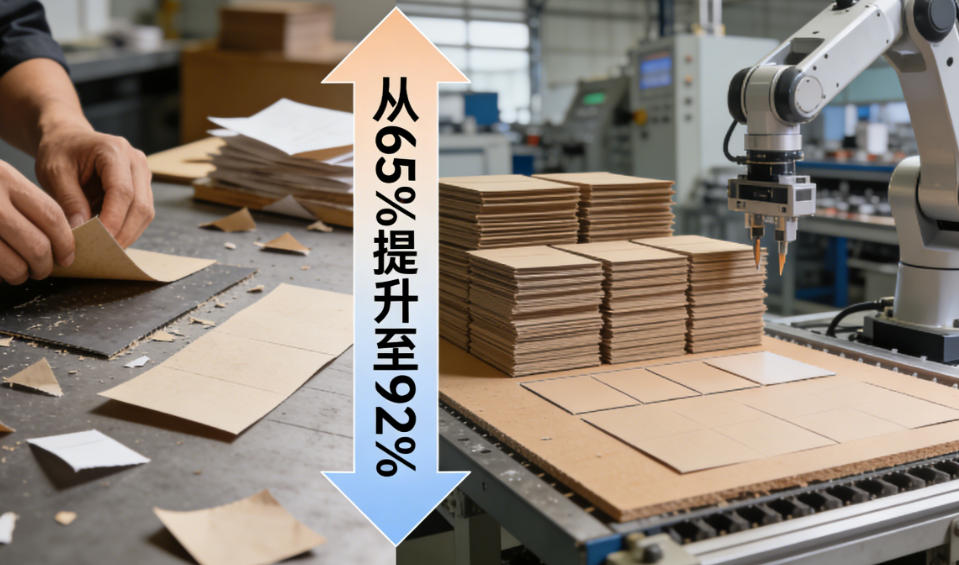
When I first saw one of our robotic spotters in action, the difference was night and day. A client was struggling with a high-end rigid box order where the alignment had to be flawless. Their manual process was yielding a 15% rejection rate, which was simply unsustainable given the cost of the specialty paper. After integrating our Rigid Box Making Machine, their waste dropped to less than 1%. This is the power of automation. It’s not just about speed; it’s about perfection and reliability. In a market where paper supply can be unpredictable, wasting less material is a direct boost to your profitability.
Manual vs. Automated Robotic Spotter
| Feature | Manual Process | Automated Robotic Spotter |
|---|---|---|
| Accuracy | Variable, depends on operator skill | Consistent, sub-millimeter precision |
| Speed | 5-10 pieces/minute | 30-40 pieces/minute |
| Material Waste | 10-15% | < 1-2% |
| Labor Cost | High, requires skilled operators | Low, one operator can supervise |
This level of efficiency means you are less exposed to price hikes or shortages from suppliers. You are in control.
What if You Could Use a Wider Range of Materials?
Being tied to a single specialty paper supplier is a huge business risk. When that supplier has issues, as we’ve seen, your entire production line for premium products can come to a grinding halt.
Imagine having a machine that doesn’t care about the paper’s origin or type. A hybrid machine gives you the freedom to switch between different materials, thicknesses, and finishes without missing a beat.
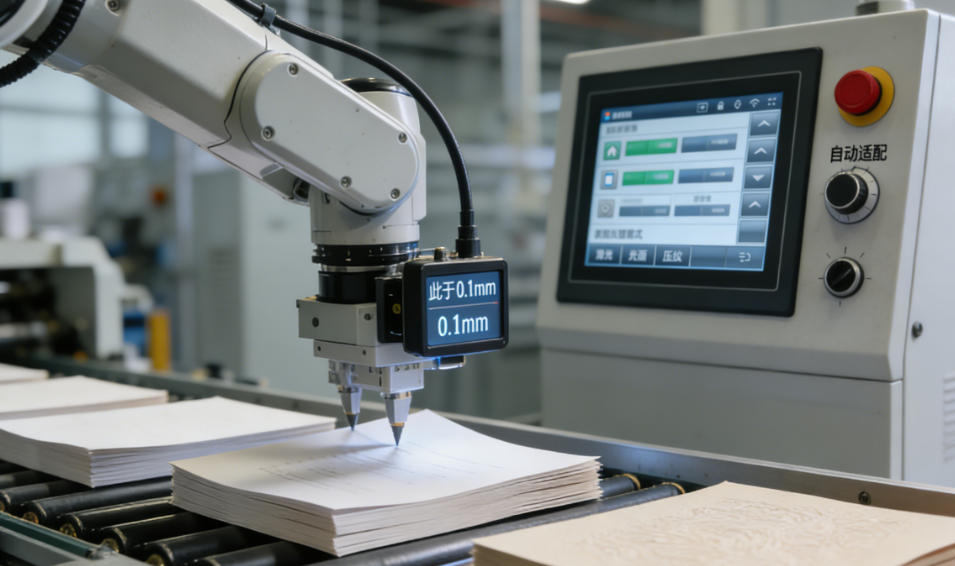
I remember a customer in the bookbinding industry who faced a crisis. Their usual supplier for high-gloss cover paper had a massive delay. They had a huge order for hardcovers and were about to lose the contract. Fortunately, they were using one of our Hybrid Book Cover Machines. We helped them quickly source an alternative matte-finish stock from a local supplier. Within a few hours, they had recalibrated the machine and were back in production. This flexibility saved their business. A standard machine would have left them stranded.
Material Adaptability: Standard vs. Hybrid Machine
| Material Type | Standard Machine | Kylin Hybrid Machine |
|---|---|---|
| Lightweight Paper | Often requires difficult adjustments | Handles with ease |
| Thick Cardboard | May struggle or require a different machine | Seamlessly processes |
| Recycled Stock | Inconsistent results due to texture | Optimized for varied textures |
| Specialty Finishes | Prone to scratching or misalignment | Gentle and precise handling |
This adaptability means you can always find a workable material, protecting you from supply chain disruptions and allowing you to serve a wider range of customer needs.
Is Your Current Equipment Costing You More Than You Think?
That old machine in the corner might feel like it’s saving you money because it’s paid off. But its hidden costs—wasted material, high energy bills, and constant downtime—are silently draining your profits.
Upgrading to modern, efficient machinery is not an expense; it’s a strategic investment in profitability. Our machines are engineered to minimize waste, reduce energy consumption, and run reliably, directly lowering your operating costs.
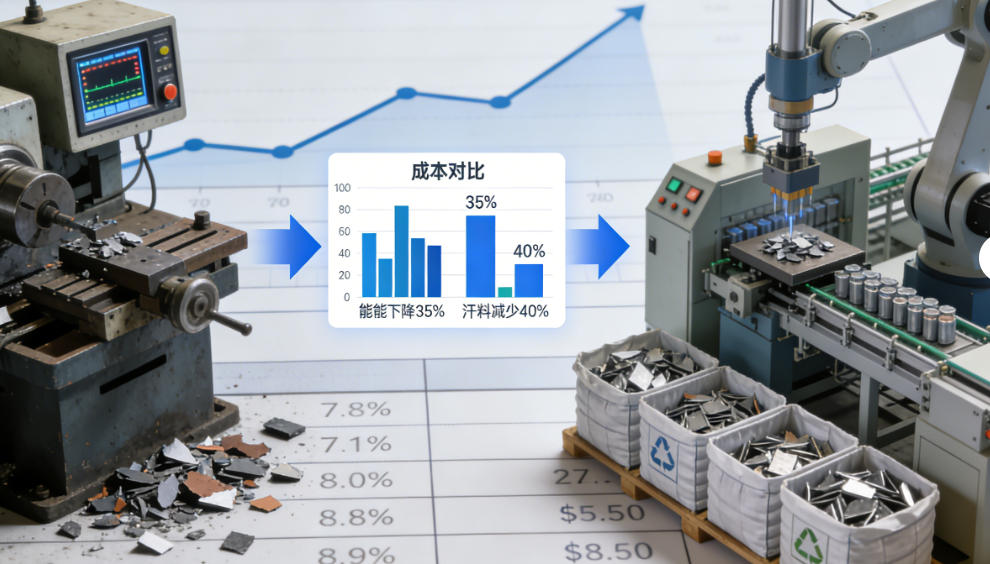
A few years ago, I visited a packaging company that was proud of a 20-year-old folding machine they kept running. I did a quick analysis with them. We calculated the cost of its material waste, its shockingly high energy use, and the two days a month it was down for repairs. The numbers were staggering. They were losing thousands of dollars every month. They eventually invested in a new Collapsible Box Machine from us. Six months later, the owner called to tell me the machine had already paid for half of its cost in savings alone.
The True Cost of Ownership: Old vs. New
| Metric | 15-Year-Old Machine | New Kylin Machine |
|---|---|---|
| Material Waste | ~12% | < 2% |
| Energy Use | High | 40% Less |
| Downtime | 2-3 days/month | < 1 day/year |
| Monthly Operating Cost | High | Significantly Lower |
In a competitive market, controlling these operational costs is not just an advantage; it’s essential for survival. The instability in the paper market makes this truer than ever.
Conclusion
The paper industry will continue to evolve, but your business doesn’t have to be a victim of its changes. By investing in automation, material flexibility, and high-efficiency machinery, you build a resilient and profitable operation.

点击右上角
分享给朋友吧







 Long by picture save/share
0
More News
-

How do post-pres...
Are your orders piling up? Slow packing ruins your good name. Customers leave yo
MORE -
Is Epson’s New A...
Struggling with limited space but need to expand your printing capabilities? Eps
MORE -
Is Xerox’s Lates...
Struggling to keep up with printing demands? You’re not alone. Many businesses f
MORE -
How Can a Bookle...
Are you struggling with production bottlenecks? Tired of slow turnaround times h
MORE -
Is Your Print Bu...
Your stitching line is slow, causing bottlenecks and missed deadlines. This inef
MORE -
Is Canon’s New P...
Struggling to meet the strict standards for traffic signs? It’s a tough market w
MORE