Leading rigid boxes machine Manufacturer

Is Your Print Business Ready for the 2026 Robotics Revolution?
Time: 2026-01-05 10:22:31
Author: Kylin machine company
Click:
Keeping up with printing industry trends feels like a constant race. New technol
Keeping up with printing industry trends feels like a constant race. New technologies emerge, and it’s hard to know which ones are just hype and which will actually impact your bottom line. You need to stay competitive, but investing in the wrong area can be a costly mistake.
Keypoint Intelligence predicts that 2026 will be the year robotics shifts from a curiosity to a practical, near-term opportunity for print businesses. This means that automated solutions are no longer a distant dream but a real, accessible way to improve your operations and profitability.
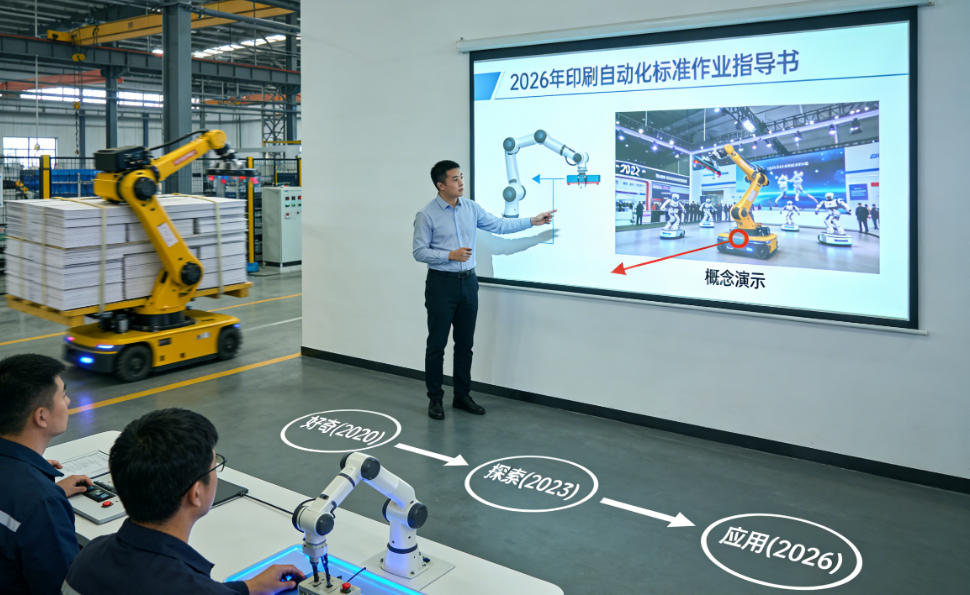
I’ve been in the post-press machinery business for a long time, and I’ve seen trends come and go. But the move towards automation is different. It’s not just a fleeting fad; it’s a fundamental shift in how we work. In this article, I’ll break down what the latest industry predictions mean for you and how you can prepare your business for the changes ahead. Let’s explore how you can turn these trends into a competitive advantage.
Why is Robotic Automation Suddenly a Big Deal?
You might be wondering why robotics is becoming so important now. For years, it seemed like a technology for massive factories, not for the typical print or packaging business. The reality is that several factors are coming together to make automation a necessity.
The push for robotic automation is driven by persistent labor shortages, the need for more predictable throughput, and the demand for higher efficiency. As these challenges grow, businesses are turning to robotics to handle repetitive tasks, reduce manual strain, and ensure consistent quality.
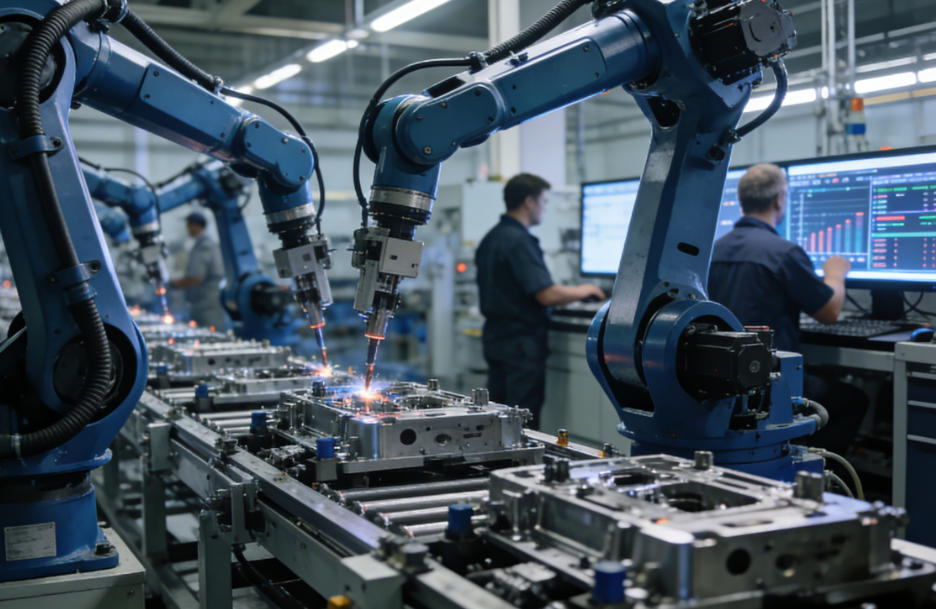
I talk to business owners every day who are struggling to find skilled workers. It’s a major bottleneck that limits their growth. At the same time, clients are demanding faster turnaround times and more complex, personalized products. This is where automation comes in. It’s not about replacing people, but about empowering your team to do more valuable work.
The Key Drivers of Automation
Let’s break down the main reasons why automation is becoming so critical:
- Labor Shortages: Finding and retaining skilled labor is one of the biggest challenges in our industry. Automation helps to fill this gap by taking over repetitive and physically demanding tasks. This allows you to reassign your existing team members to more creative and strategic roles.
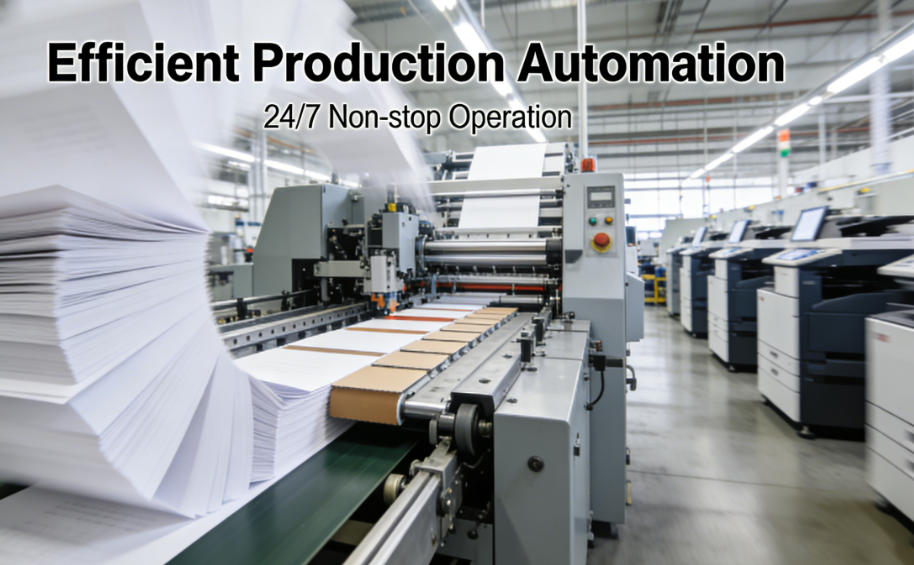
- Increased Efficiency: Automated systems can work around the clock with consistent precision. This means you can increase your output, reduce errors, and meet tight deadlines without burning out your staff.
- Improved Quality: Robotic systems perform tasks with a high degree of accuracy, which leads to better, more consistent product quality. This is especially important for high-end packaging and bookbinding where precision is key.
Our Glue Spraying Assembly Machine is a perfect example of this. It automates the precise application of glue, a task that is difficult to do consistently by hand. This not only speeds up the process but also ensures a perfect finish every time.
How Can You Prepare for This Automated Future?
Knowing that automation is the future is one thing, but how do you actually prepare your business for it? It can seem like a huge leap, especially for small to medium-sized operations. The key is to start with a clear understanding of your own production bottlenecks.
Preparing for the future of automation means identifying the areas in your workflow that are ripe for improvement. Instead of a complete overhaul, focus on adopting structured, early-stage robotic solutions that address specific challenges like material handling, loading, and finishing.

I always advise my clients to start small. You don’t need a fully automated factory overnight. Look for the most repetitive, time-consuming tasks in your current process. Is it moving pallets? Loading machines? Assembling boxes? These are the perfect candidates for your first step into automation.
Practical Steps to Automation
Here’s a simple framework for getting started:
- Analyze Your Workflow: Identify the biggest bottlenecks in your production line. Where are you losing the most time and money?
- Start with a Single Process: Choose one specific task to automate first. This will allow you to learn and adapt without disrupting your entire operation.
- Choose the Right Equipment: Look for machines that are flexible, easy to integrate, and offer a clear return on investment.
For example, if you’re in the business of making rigid boxes, our Auto Rigid Boxes Machine 2025 version can automate the entire process, from gluing to forming. For those producing hardcovers, the Ky-380 Hard Cover Making Machine is an all-in-one solution that can dramatically increase your efficiency.
Here’s a quick look at how these machines can help:
| Machine | Key Automation Feature | Main Benefit |
|---|---|---|
| Auto Rigid Boxes Machine | Fully automatic box forming | Increased speed and consistency |
| Ky-380 Hard Cover Maker | Integrated gluing and folding | Reduced labor for case making |
| Glue Spraying Assembly | Precise, automated glue application | Higher quality and less waste |
What Other Trends Will Shape the Industry in 2026?
While robotics is a major headline, it’s part of a larger trend towards more intelligent and integrated production. The future of our industry isn’t just about robots; it’s about creating smarter, more connected workflows from start to finish.
Beyond robotics, the industry will be shaped by intelligent automation, digital versatility, and a growing demand for sustainable practices. Businesses that integrate these elements will be the ones that thrive in the coming years, capturing higher-margin work and building stronger client relationships.
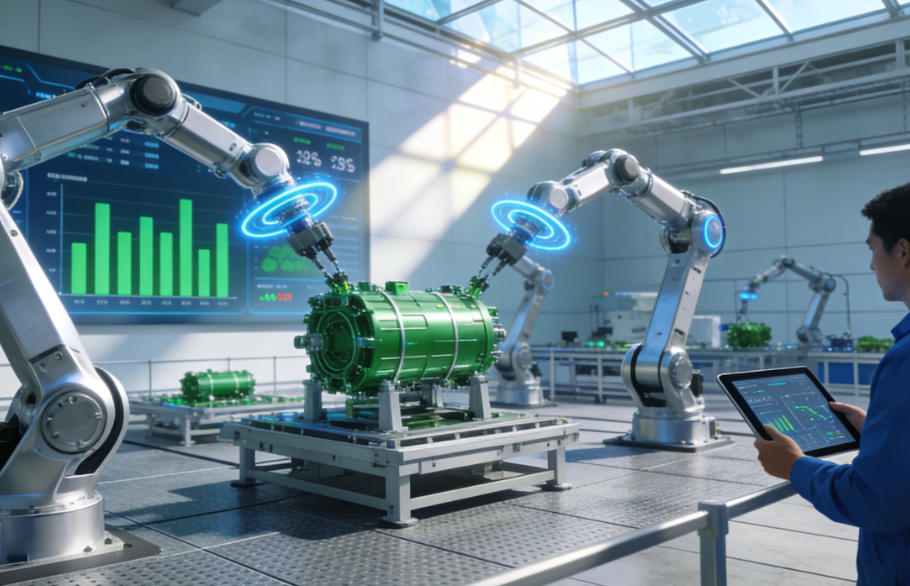
I’ve seen how these trends are already playing out. For example, clients are no longer just asking for a printed box. They want interactive packaging with QR codes, they want sustainable materials, and they want it all delivered on a tight deadline. This requires a new way of thinking about production.
The Bigger Picture: A Smarter Workflow
Here are some of the other key trends to watch:
- Intelligent Automation: This goes beyond just mechanical robots. It includes AI-driven software for scheduling, quality control, and predictive maintenance. Our CCD Visual Anti-Mixing Detection Equipment is a great example, using cameras and AI to ensure every single product is perfect.
- Digital Versatility: The ability to handle short runs, personalization, and quick changeovers is becoming essential. Digital printing and finishing technologies are key to this, allowing for more flexibility and creativity.
- Sustainability: This is no longer a buzzword; it’s a core business requirement. Clients want to see that you are using eco-friendly materials and processes. This is a huge opportunity to differentiate your business.
By embracing these trends, you can move your business from being a simple vendor to a strategic partner for your clients. You can offer them more value, more innovation, and a more sustainable supply chain.
Conclusion
The printing and packaging industry is on the brink of a major transformation. The rise of robotics and automation is not something to fear, but an opportunity to build a stronger, more resilient business.
If you’re ready to explore how automation can transform your production, I invite you to check out our range of post-press machines. Let’s build the future of print, together.

点击右上角
分享给朋友吧







 Long by picture save/share
0
More News
-

How do post-pres...
Are your orders piling up? Slow packing ruins your good name. Customers leave yo
MORE -
Is Epson’s New A...
Struggling with limited space but need to expand your printing capabilities? Eps
MORE -
Is Xerox’s Lates...
Struggling to keep up with printing demands? You’re not alone. Many businesses f
MORE -
How Can a Bookle...
Are you struggling with production bottlenecks? Tired of slow turnaround times h
MORE -
Is Your Print Bu...
Your stitching line is slow, causing bottlenecks and missed deadlines. This inef
MORE -
Is Canon’s New P...
Struggling to meet the strict standards for traffic signs? It’s a tough market w
MORE